Best Exterior Siding in the US Cladding Selection and Performance Analysis
Residential building envelopes across North America face diverse environmental pressures. Selecting exterior wall materials requires balancing architectural aesthetics with physical durability and regional microclimate performance. Best Exterior Siding in the US. Property owners often treat cladding selection as a purely visual decision. However, long-term exterior performance depends heavily on material science and structural compatibility.
Evaluating building cladding requires analyzing thermal movement, moisture management, and structural fastening mechanics. What functions exceptionally well along arid desert basins fails rapidly in humid coastal zones. Wind-driven rain, intense solar ultraviolet exposure, and seasonal freeze-thaw cycles test cladding materials continuously.
A successful exterior selection balances immediate material costs against multi-decade maintenance expenses. Homeowners, builders, and architects must evaluate material options using a structured diagnostic approach. Understanding how fiber cement, natural cedar, vinyl, architectural zinc, and engineered wood react to local environmental conditions prevents premature building envelope failures.
Understanding “Best Exterior Siding in the US”
Multi-Dimensional Performance Framework
Evaluating the best exterior siding in the US requires looking beyond promotional product brochures and simple regional popularity metrics. Building scientists analyze material density, moisture absorption rates, and linear thermal expansion coefficients systematically across different climate zones. Exterior wall assemblies function as primary weather-resistive barriers that must shed bulk rainwater while accommodating structural frame movement.
The Absolute Superiority Misconception
A common error among property owners is searching for a single cladding material that outperforms all alternatives across every metric. Consumer guides frequently label specific synthetic boards as universally superior without considering local climate constraints or architectural styles. However, heavy masonry materials increase structural dead loads, while lightweight synthetic panels warp under intense solar radiation.
Microclimate Dynamics and Material Physics
Inappropriate material selection frequently leads to premature building envelope degradation and costly interior moisture repairs. Installing untreated timber cladding in humid subtropical regions promotes rapid fungal rot, wood-boring insect infestation, and surface mold growth. Trapped moisture cannot evaporate efficiently behind solid wood boards without an engineered rainscreen gap, causing structural sheathing to rot unseen.
Systemic Envelope Compatibility
Selecting exterior cladding requires assessing how outer panels interact with window flashings, weather-resistive barriers, and thermal insulation layers. A cladding material performs only as effectively as its surrounding joint seals and underlying drainage planes. Proper envelope design ensures that liquid water evacuates freely through weep channels, preserving structural framing integrity over long operational lifespans.
Historical Evolution of American Building Cladding
Solid Timber and Early Colonial Craftsmanship
Early American residential construction relied on locally harvested virgin timber, hand-split cedar shingles, and white pine lap siding. Historic structures utilized heavy timber framing clad with thick wood boards that absorbed rainwater during storms and dried naturally through breathable surfaces. While these traditional timber assemblies required frequent repainting, open wall cavities permitted rapid moisture evaporation that prevented structural decay.
Post-War Synthetic Expansion and Mass Production
The rapid expansion of suburban residential neighborhoods during the mid-twentieth century transformed American material manufacturing significantly. Industrial suppliers introduced mass-produced aluminum panels and early polyvinyl chloride vinyl siding, marketing them as completely maintenance-free exterior solutions. However, early synthetic installations lacked engineered rear drainage channels and flexible thermal expansion mountings, leading to warped panels and trapped cavity moisture.
Modern Engineered Materials and Rainscreen Standards
Contemporary residential construction emphasizes energy efficiency, building envelope airtightness, and resilient material engineering. Modern building codes require integrated water-resistive barriers, continuous exterior insulation, and ventilated rainscreen gaps behind cladding panels. Advanced composite materials—including fiber cement, high-density poly-ash, architectural zinc, and thermally modified timber—provide multi-decade durability when installed according to strict physical guidelines.
Conceptual Frameworks for Exterior Cladding Evaluation
The Hygrothermal Performance Framework
Evaluating exterior materials requires analyzing heat and moisture transport mechanics through wall assemblies simultaneously. The hygrothermal performance framework assesses how cladding substrates handle liquid water intrusion, vapor diffusion, and solar thermal absorption.
Bulk Water Shedding Efficiency
Primary cladding surfaces shed the vast majority of wind-driven precipitation through gravity-assisted drainage channels. Lap siding profiles, interlocking panel joints, and sloped window caps direct water away from vulnerable interior wall cavities.
Vapor Diffusion Dynamics
Moisture vapor moves through porous wall materials from high-pressure interior spaces toward colder exterior environments during winter months. Cladding assemblies must allow trapped moisture vapor to escape freely without causing interstitial condensation inside structural insulation layers.
The Thermal Movement Matrix
Building materials expand and contract continuously in response to ambient outdoor temperature changes and direct solar heat exposure. Fastening protocols and perimeter joint details must accommodate dimensional movement without causing panel buckling or seal failure.
Linear Coefficient Expansion Analysis
Vinyl and synthetic composite panels exhibit high linear thermal expansion rates compared to stable fiber cement or masonry materials. Installing synthetic boards requires leaving precise clearance gaps at trim intersections to prevent panel binding during hot summer months.
Fastener Friction Mechanics
Slotted mounting channels allow synthetic panels to slide horizontally on concealed fastener shafts during daily thermal cycles. Driving mounting screws too tightly against panel faces restricts natural expansion movement, forcing panels to bow outward permanently.
Primary Cladding Material Categories and Material Science Best Exterior Siding in the US
Fiber Cement Siding Systems
Fiber cement cladding combines Portland cement, ground silica, cellulose fibers, and water to form dense, fire-resistant exterior boards. Fiber cement offers exceptional dimensional stability, Class A fire ratings, and resistance to wood-destroying organisms across all American climate regions.
Moisture Absorption Dynamics
Unsealed fiber cement edges absorb liquid water through capillary action if left exposed to standing rainwater or moist soil beds. Field-cut board ends require immediate application of specialized 100% acrylic latex sealers prior to final wall installation.
Structural Fastening Standards
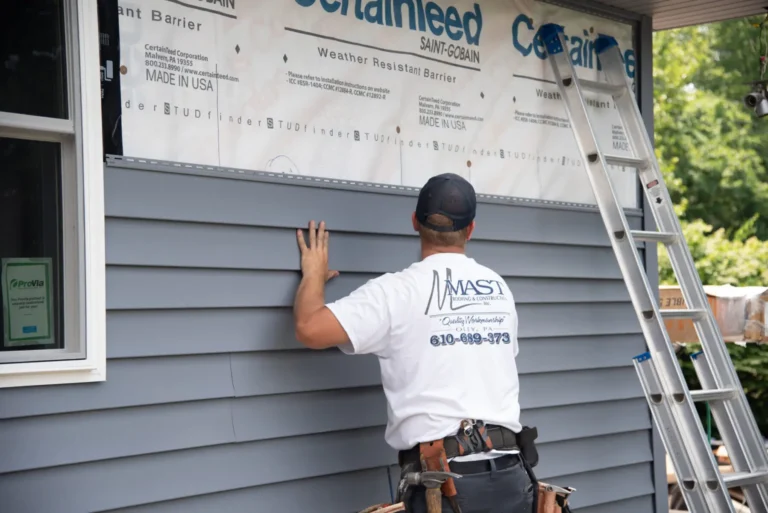
Securing fiber cement requires hot-dipped galvanized or stainless steel siding nails driven through blind-fastening zones along top board edges. Pneumatic nail guns must be calibrated precisely to set nail heads flush with panel surfaces without crushing internal cellulose fibers.
Vinyl Cladding Systems
Polyvinyl chloride vinyl siding remains widely installed throughout suburban developments due to its affordability, low weight, and ease of installation. Modern vinyl incorporates ultraviolet inhibitors and impact-modifying resins that improve color retention and weather resistance.
Thermal Clearance Protocol
Vinyl panels require maintaining a mandatory quarter-inch expansion gap at all vertical corner posts, J-channels, and window trim intersections. Neglecting thermal expansion clearances causes panels to bind against adjacent trim boards, creating unsightly surface waves along building elevations.
Soft-Wash Cleaning Requirements
Maintaining vinyl surfaces requires periodic application of low-pressure chemical detergents designed to loosen atmospheric soot and biological growth. High-pressure power washing drives bulk water upward past interlocking panel seams, saturating underlying sheathing paper.
| Cladding Category | Primary Advantage | Environmental Vulnerability | Recommended Clearances |
| Fiber Cement | Exceptional fire resistance | Edge moisture absorption | $2.0\text{-inch}$ clearance above roof surfaces |
| Vinyl Siding | Low upfront installation cost | Thermal warping & impact brittleness | $0.25\text{-inch}$ expansion gap at all trim channels |
| Natural Cedar | Natural aesthetic beauty | Fungal rot & UV silvering | $6.0\text{-inch}$ clearance above finished grade |
| Architectural Zinc | Self-healing patina lifespan | High material unit cost | Continuous ventilated rainscreen gap |
Natural Cedar and Thermally Modified Wood Best Exterior Siding in the US
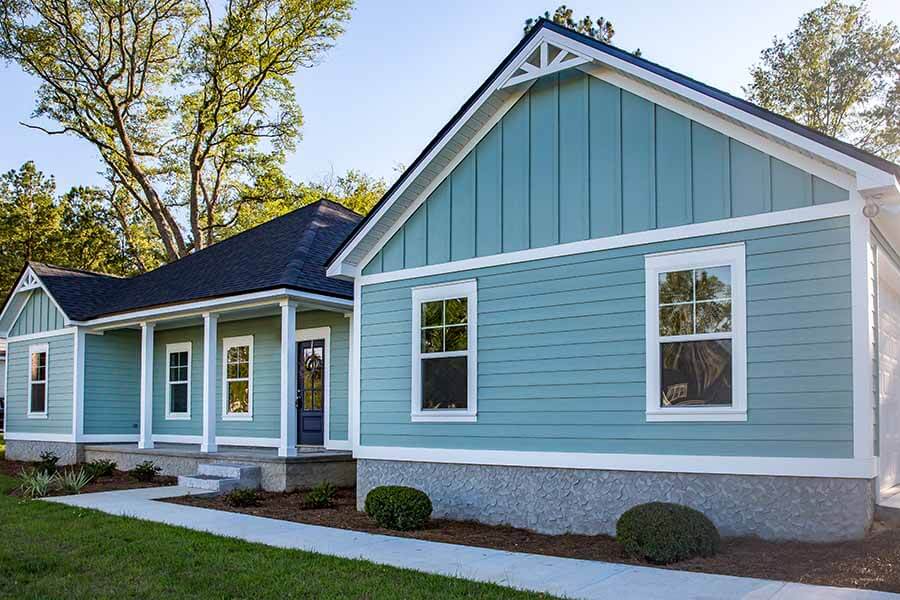
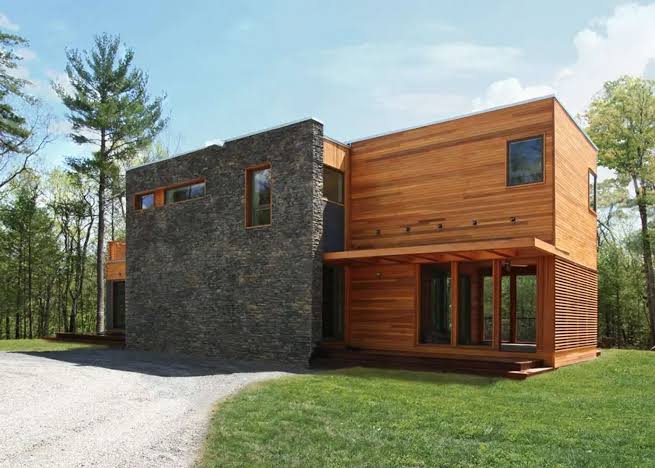
Western red cedar and thermally modified timber offer natural warmth, rich grain patterns, and organic character across custom residential architecture. Thermally modified wood undergoes high-temperature kiln roasting that alters cell structures, reducing moisture absorption and enhancing fungal resistance significantly.
Finishing and UV Protection
Unfinished cedar weathers into a silvery-gray patina over several seasons as ultraviolet radiation breaks down surface lignin fibers. Applying penetrating semi-transparent oil stains preserves original wood color tones while protecting fibers from micro-cracking.
Ground Distance Requirements
Wood cladding requires maintaining a mandatory six-inch clearance gap above finished soil beds and hardscape surfaces. Allowing timber boards to contact wet soil invites continuous capillary moisture draw, accelerating bottom-edge fungal rot and termite damage.
Regional Microclimate Implementation Scenarios
Gulf Coast Subtropical Marine Zone
A residential home near Mobile, Alabama experienced severe paint peeling, biological algae growth, and rotting sheathing along lower wall sections. The structure was exposed to high annual rainfall, ambient humidity above eighty percent, and frequent tropical storm winds.
Diagnostic Inspection Findings
Inspectors discovered that previous painters had sealed horizontal board laps with silicone caulk to prevent rain penetration. Trapped moisture could not evaporate through the sealed horizontal joints, forcing water into underlying OSB sheathing and interior wall insulation.
Corrective Restoration Execution
Contractors removed damaged wood cladding, replaced saturated wall sheathing, and installed a self-adhering water-resistive barrier membrane. Fiber cement lap siding was installed over a quarter-inch matrix drainage mat, establishing a ventilated rainscreen cavity that permitted rapid drying.
Rocky Mountain High-Altitude Alpine Belt
A custom residential cabin in Breckenridge, Colorado faced extreme ultraviolet solar radiation, heavy snow accumulation, and severe winter freeze-thaw cycles. The homeowner desired a warm wood appearance that could withstand harsh mountain weather without requiring annual staining.
Material Selection Strategy
Designers specified thermally modified ash lap siding combined with dark standing-seam architectural zinc panels on windward upper elevations. Deep roof overhangs were engineered to protect lower timber courses from direct snow drift contact during winter months.
Long-Term Performance Outcome
The thermally modified ash maintained exceptional dimensional stability across extreme temperature swings, showing zero board cupping or splitting. The architectural zinc developed a protective matte patina, delivering a striking modern mountain aesthetic that required zero chemical maintenance.
Lifecycle Financial Dynamics and Capital Allocation
Upfront Capital Expenses versus Operational Lifespans
Allocating initial building budgets toward premium cladding materials provides predictable financial returns through reduced long-term maintenance costs. Cheaper materials often require frequent repainting, sealant replacement, and localized patching, increasing total cost of ownership over a thirty-year horizon.
Professional Installation Labor Value
Hiring certified envelope technicians ensures proper flashing integration, correct fastener depth, and code-compliant clearance gaps. Amateurs frequently commit installation errors that void manufacturer warranties and cause hidden structural decay behind fresh exterior panels.
| Material Option | Initial Installed Cost Range | Expected Material Lifespan | Typical Maintenance Frequency |
| Premium Fiber Cement | Moderate ($11 – $18 / sq. ft.) | 30 – 50 Years | Paint every 12 – 15 years |
| Standard Vinyl Siding | Low ($6 – $11 / sq. ft.) | 20 – 30 Years | Soft wash every 2 – 3 years |
| Natural Red Cedar | High ($16 – $26 / sq. ft.) | 25 – 40 Years | Stain every 4 – 6 years |
| Architectural Zinc | Very High ($28 – $45 / sq. ft.) | 80 – 100+ Years | Virtually zero maintenance |
Property Valuation and Resale Equity
Installing durable, visually appealing exterior cladding elevates residential property appraisals and enhances curb appeal during real estate transactions. Home buyers recognize the value of low-maintenance exterior materials, paying market premiums for homes featuring certified fiber cement or metal cladding.
Deferred Maintenance Risk Multiplication
Neglecting minor cladding repairs allows rainwater to penetrate building envelopes, rotting structural wall studs and floor rim joists. Remediation costs for hidden timber rot and interior mold contamination exceed routine cladding maintenance budgets by multiple orders of magnitude.
Installation Tools, Fastening Systems, and Drainage Protocols Best Exterior Siding in the US
Specialized Cutting and Fastening Tools
Working with fiber cement and engineered materials requires specialized tools designed to deliver clean cuts without releasing harmful dust particles. Dust-collecting circular saws fitted with poly-crystalline diamond blades ensure precise board trimming while protecting jobsite air quality.
Elastomeric Joint Sealants and Tapes
Sealing vertical trim transitions requires using high-performance polyurethane or advanced polymer sealants that retain elasticity across temperature extreme cycles. Cheap acrylic caulks harden and crack within months, creating open entry pathways for wind-driven rain along critical wall seams.
-
Dust-collecting circular saws equipped with diamond-tipped fiber cement blades
-
Pneumatic coil siding nailers with adjustable depth-of-drive control mechanisms
-
Stainless steel ring-shank nails for superior withdrawal resistance in coastal wind zones
-
Self-adhering butyl flashing tapes for sealing window perimeters and material transitions
-
Polyurethane elastomeric sealants for maintaining flexible vertical trim joint seals
-
Three-dimensional mesh drainage mats for creating ventilated rainscreen cavities
Environmental Risk Landscape and Cladding Failure Modes
Horizontal Overlap Caulking Errors
Applying caulking along horizontal lap siding seams seals the primary drainage pathway designed to shed moisture that bypasses outer board faces. Water entering higher wall sections becomes trapped above caulked horizontal joints, soaking sheathing panels and triggering structural decay.
High-Pressure Power Washer Damage
Utilizing high-pressure spray equipment near siding surfaces strips protective paint coatings, gouges soft wood fibers, and destroys window perimeter seals. High-pressure streams drive water upward past interlocking lap joints, saturating internal wall insulation and causing hidden structural damage.
Vegetation Contact and Soil Encroachment
Allowing shrubs, climbing vines, or garden soil beds to contact exterior cladding creates continuous dampness against wall surfaces. Vegetation blocks natural air movement, traps moisture, and allows rootlets to penetrate panel joints, accelerating surface breakdown.
Long-Term Maintenance Governance and Inspection Protocols Best Exterior Siding in the US
Bi-Annual Visual Envelope Inspections
Conducting visual envelope audits every spring and autumn allows property owners to identify minor maintenance needs before structural damage occurs. Inspection protocols must prioritize evaluating sealant elasticity, clearing weep channels, checking clearance gaps, and monitoring coating integrity.
Post-Storm Diagnostic Evaluation
Heavy windstorms drive precipitation against exterior walls at high pressure, exposing minor flashing defects and sealant failures. Inspecting interior window frames, attic perimeter soffits, and exterior cladding joints after major storms ensures moisture entry points are addressed rapidly.
-
Inspect window and door perimeter sealants bi-annually for cracking, shrinking, or adhesion loss.
-
Clear ground soil, garden mulch, and fallen leaf debris away from lower cladding drainage gaps every spring.
-
Verify that vinyl siding panels slide horizontally on concealed mounting nails without binding.
-
Inspect horizontal roof-to-wall step flashings every autumn to confirm drainage channels remain clear.
-
Check cedar cladding paint and stain coatings annually for chalking, peeling, or timber cracking.
-
Audit lower wall weep channels after heavy rainfall events to confirm liquid water drains freely.
Diagnostic Performance Tracking and Material Evaluation
Electronic Moisture Meter Audits
Measuring wood framing moisture content using electronic pin-style meters provides quantitative data regarding internal wall moisture levels. Moisture readings exceeding nineteen percent in timber sheathing indicate active water intrusion requiring immediate exterior flashing repairs.
Coating Adhesion Cross-Hatch Testing
Evaluating exterior paint adhesion relies on standardized cross-hatch tape testing protocols conducted on representative wall sections. Clean tape releases without paint flaking confirm that existing coatings retain sufficient substrate bonding to justify simple topcoat repainting.
Infrared Thermal Anomaly Scanning
Calibrated infrared thermal imaging surveys detect hidden moisture accumulation behind exterior cladding panels non-destructively. Thermal anomalies highlight cold spots caused by wet cavity insulation, guiding targeted wall repairs without requiring invasive panel deconstruction.
Industry Misconceptions and Cladding Myths
The Maintenance-Free Cladding Illusion
Marketing synthetic cladding as completely maintenance-free leads many property owners to neglect basic cleaning and flashing inspections for years. Every exterior material requires routine washing, clear drainage pathways, and maintained perimeter sealants to achieve its expected operational lifespan.
The Bleach Solves All Mold Fallacy
Applying concentrated household bleach solutions to exterior mold growth bleaches surface spores visually without killing underlying root structures. Bleach solutions damage exterior paint finishes, corrode metal fasteners, and harm surrounding garden vegetation if applied improperly.
The Caulk Everything Fallacy
Assuming that sealing every visible gap, seam, and hole with caulking improves weather tightness oversimplifies building physics principles. Modern wall systems require open drainage gaps and weep channels to shed trapped water and permit internal wall ventilation.
Environmental Sustainability and Material Lifecycle Analysis
Embodied Carbon and Manufacturing Impact
Evaluating cladding sustainability requires analyzing energy consumed during raw material extraction, manufacturing processing, and jobsite transportation. While natural wood features low embodied carbon, synthetic materials require fossil fuel inputs but offer high recyclability at end-of-life phases.
Regional Sourcing and Transportation Logistics
Selecting materials manufactured within regional distribution networks reduces transportation emissions and supports local economic supply chains. Domestically produced fiber cement and regional timber reduce supply chain delays while meeting stringent local environmental standards.
Conclusion
Determining the best exterior siding in the US requires balancing material science, regional microclimate demands, and structural engineering principles. Protecting building envelope integrity depends on maintaining open drainage pathways, accommodating thermal movement, and selecting durable substrates. Property owners and builders who prioritize proper material selection and installation protocols preserve asset values, protect structural framing, and ensure multi-decade building durability across all seasonal climate cycles.