How to Manage Siding Installation Delays: Strategic Field Manual
Residential construction schedules rarely unfold without logistical friction. Exterior renovation projects face dynamic environmental exposure, complex supply chain movements, and unpredictable labor availability. When cladding operations stall midway through execution, property owners face significant structural and financial risks. How to Manage Siding Installation Delays. Managing project slowdowns demands an understanding of building envelope mechanics, contractual safeguards, and strategic material staging.
A sudden halt in exterior wall work leaves vulnerable wood sheathing exposed to harsh regional weather patterns. Unprotected oriented strand board and timber framing absorb atmospheric moisture rapidly, initiating unseen rot and structural decay. Project managers must implement immediate weatherization protocols to protect exposed wall cavities from moisture intrusion. Effective delay response strategies balance short-term physical protection with long-term schedule recovery.
Navigating project stalls requires transparent communication among building owners, general contractors, and trade specialists. Misalignments regarding scope modifications, weather delays, or material substitutions often lead to costly legal disputes. Clear contractual framework agreements and systematic site documentation protect all involved parties during prolonged work stoppages. Establishing structured management workflows keeps exterior renovation projects moving toward successful completion.
Exterior cladding disruptions also trigger second-order financial impacts across the entire construction timeline. Stalled timelines inflate temporary equipment rental fees, extend site management overhead, and delay interior finish trades. Understanding these interconnected cost structures allows project planners to allocate contingency funds wisely. A disciplined operational strategy minimizes financial losses while maintaining high standards for the finished building envelope.
Understanding How to Manage Siding Installation Delays
Learning how to manage siding installation delays requires evaluating the interconnected dependencies within residential exterior construction. Property managers often view project slowdowns as simple calendar shifts caused by poor weather or missing supplies. In practice, cladding interruptions stem from systemic breakdowns across logistics, site preparation, and trade scheduling. Addressing these stalls demands a structured approach that prioritizes building envelope integrity over hasty surface completion.
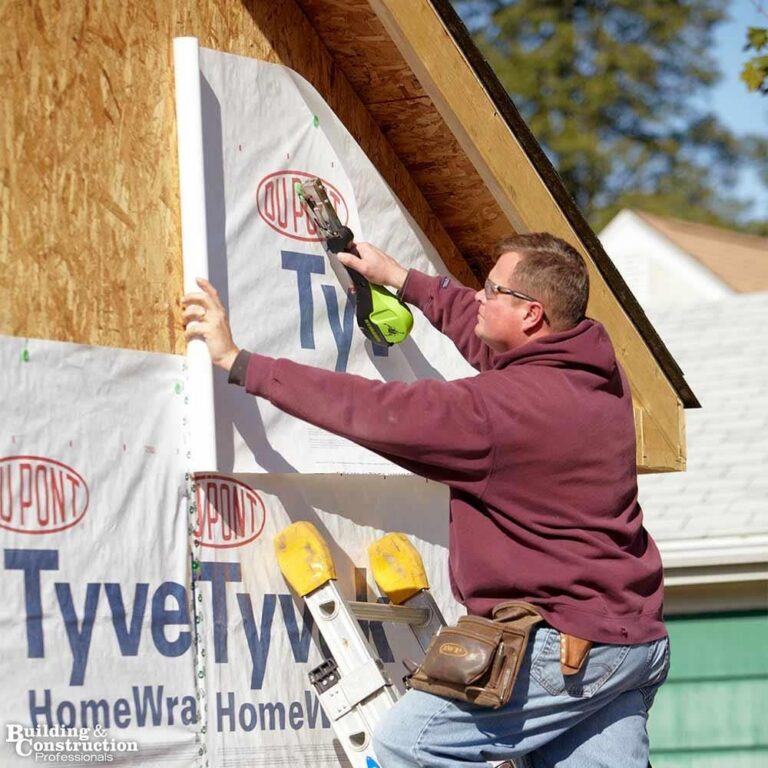
A major misunderstanding involves assuming that an idle job site remains physically stable while waiting for materials. Exposed house wrap, weather-resistive barriers, and raw wall sheathing degrade under direct exposure to sunlight and driving rain. UV radiation breaks down polymer membranes within weeks, compromising their water-shedding capabilities long before siding panels are applied. Proper delay management dictates that site managers inspect and re-secure secondary weather barriers continuously during work pauses.
Structural Vulnerability During Inactivity
Unfinished wall assemblies create paths for wind-driven rain to bypass perimeter flashings around window and door openings. Water pooling inside wall cavities rots wood studs and fosters hidden mold growth behind interior drywalls. Project supervisors must seal exposed framing edges with temporary membranes whenever installation schedules stall.
Supply Chain Dependencies
Specialized cladding profiles, custom trim colors, and imported corner accessories frequently encounter manufacturing backlog delays. Substituting alternate cladding lines mid-project can void manufacturer warranties or violate local historic district architectural regulations. Navigating material shortages requires careful review of technical specifications before approving product substitutions.
Labor Allocation Realities
Skilled siding crews often pivot to secondary job sites when primary material shipments fail to arrive on time. Reassembling experienced trade teams once materials land on-site creates additional scheduling delays that extend project completion dates. Establishing clear contractual return timelines prevents crew reassignments from turning minor shipping delays into multi-month stoppages.
Systemic History and Supply Chain Volatility
Exterior cladding practices have evolved from locally sourced timber construction to reliance on complex global supply lines. Historical builders utilized locally milled white pine or cedar boards that were cut, seasoned, and applied on site. Modern residential construction relies heavily on specialized fiber cement formulas, engineered composite polymers, and extruded architectural metals. This technological shift has increased product durability while leaving local job sites vulnerable to distant supply chain disruptions.
Manufacturing consolidation over recent decades has concentrated primary cladding production within a handful of regional facilities. When major factories experience raw material shortages, production line failures, or labor disputes, the impacts ripple across national distribution networks. Freight bottlenecks and trucking shortages further complicate timely job site deliveries of custom color runs or specialized trim profiles. Modern project managers must account for these systemic logistical vulnerabilities during early planning phases.
At the same time, modern building codes have tightened thermal envelope standards and moisture management guidelines significantly. Building science advancements demonstrate that modern, tightly sealed homes retain trapped moisture longer than older, naturally ventilated structures. Consequently, a work stoppage on a modern high-performance home poses greater structural risks than a similar delay on a traditional drafty frame. Understanding this evolution reinforces the need for rigorous physical protection protocols during operational stalls.
Conceptual Frameworks and Operational Models How to Manage Siding Installation Delays
Managing complex construction interruptions benefits from applying established operational frameworks to field decisions.
The Critical Path Method
The Critical Path Method isolates dependent construction tasks that directly determine overall project completion dates. Siding installation sits along the critical path because interior drywall finishing cannot proceed until the building envelope achieves weather-tight status. Recognizing critical path dependencies helps managers prioritize substrate sealing over non-essential site tasks during schedule disruptions.
The Swiss Cheese Risk Model
Systemic construction failures occur when minor vulnerabilities across multiple project layers align simultaneously. A minor material delay combined with a torn weather barrier and an unexpected rainstorm leads to catastrophic water damage inside open wall cavities. Applying this model encourages project teams to repair minor site defects immediately, preventing compounding structural failures during extended pauses.
Buffer Management Theory
Buffer management creates operational cushions around volatile project variables like material delivery times and weather windows. Traditional project schedules often place trade handoffs end-to-end without incorporating realistic operational time buffers. Implementing strategic time and inventory buffers prevents minor delivery hiccups from derailing downstream trade activities.
Key Categories of Installation Disruptions
| Disruption Category | Primary Root Cause | Immediate Field Impact | Long-Term Project Risk |
| Material Shortages | Factory backlogs or freight losses | Unfinished wall sections | Color lot variations and mismatch |
| Severe Weather Events | Sustained rain, freezing, or high winds | Unsafe scaffolding and wet sheathing | Substrate rot and adhesive failure |
| Substrate Rot Discovery | Hidden historical water leakage | Mandatory structural framing repairs | Unexpected budget expansion |
| Labor Crew Reassignment | Subcontractor scheduling conflicts | Vacant job site and lost momentum | Extended trade coordination gaps |
Supply Chain Shortages
Material availability issues represent the most frequent cause of prolonged exterior construction delays today. High-demand fiber cement colors or custom aluminum trim extrusions often face extended factory production backlogs. When shipments are delayed mid-project, managers must decide whether to wait or pivot to approved alternative materials.
Adverse Weather Exposure
Extreme cold, high winds, and continuous rain make exterior cladding installation both difficult and dangerous. Cold temperatures make vinyl panels brittle and prevent rubberized flashing tapes from adhering securely to wall sheathing. High winds create severe safety hazards for workers handling long siding planks on multi-story scaffolding systems.
Hidden Substrate Structural Rot
Demolition of old exterior cladding often reveals extensive historical termite damage or rotted plywood sheathing beneath. Installation work must stop immediately while structural engineers inspect the damaged framing and specify necessary repairs. Unplanned substrate remediation adds significant labor hours and material costs before new siding installation can resume.
Regulatory and Inspection Stoppages
Municipal building inspectors must approve weather-resistive barriers and window flashing details before exterior panels cover the framing. Municipal staffing shortages or scheduling backlogs can delay required inspections for several business days. Working past required inspection points without municipal sign-offs risks mandatory tearing off of newly installed panels.
Detailed Real-World Project Scenarios How to Manage Siding Installation Delays
Scenario A: Custom Color Fiber Cement Factory Backlog
A suburban residential project stalls when the manufacturer announces a eight-week delay on custom pre-painted fiber cement siding. The existing wood clapboards have already been stripped, leaving the house wrap exposed to intense summer UV radiation. The project manager orders temporary UV-resistant tarps to cover vulnerable elevations while negotiating a temporary crew reassignment.
Scenario B: Unmapped Structural Frame Rot Discovery
During the removal of old aluminum siding on a waterfront home, crews uncover severe framing decay caused by historical gutter overflows. The contractor pauses siding work immediately to consult a structural engineer and secure emergency framing permits. The team installs temporary wall bracing and heavy-duty plastic sheeting to safeguard open interior spaces during structural repairs.
Scenario C: Winter Freeze Snap and Adhesive Breakdown
An autumn siding installation runs into an unexpected arctic cold front, dropping ambient temperatures below manufacturer application thresholds. Synthetic flashing tapes fail to bond with sheathing, and sealant beads freeze before curing properly. The contractor pauses panel installation and constructs temporary heated enclosures around critical work zones to complete essential window flashing detail work.
Scenario D: Municipal Permit and Inspection Bottlenecks
A city building inspector issues a stop-work order because the window flashing detail differs slightly from submitted architectural plans. The contractor coordinates an emergency plan revision with the project architect to secure approval from municipal authorities. Siding crews utilize the forced pause to organize site materials, clean perimeter work areas, and verify structural fastener layouts.
Planning, Cost, and Resource Dynamics How to Manage Siding Installation Delays
Work stoppages generate hidden costs that extend far beyond simple delay fees from sub-contractors. Direct financial expenses include daily equipment rentals, scaffolding usage fees, and extended site toilet service charges. Indirect expenses involve inflated project oversight fees, increased interest on construction loans, and temporary housing costs for displaced homeowners.
Managing Extended Equipment Overhead
Scaffolding assemblies and pump-jack systems billed on weekly rental cycles generate continuous financial drain during work pauses. Project managers must evaluate whether dismantling rental equipment is cheaper than paying ongoing rental fees during extended delays. Negotiating flexible equipment rental terms during contract development mitigates these passive site holding costs.
Cost Dynamics Table
| Expense Category | Cost Structure | Mitigation Strategy |
| Scaffolding and Lift Rentals | Recurring weekly fee | Negotiate long-term cap clauses in vendor agreements |
| Weatherization Supplies | Upfront direct cost | Maintain emergency tarp inventory on site |
| Contractor Overhead | Daily supervisory fee | Structure milestones around completed weather-tight phases |
| Structural Material Storage | Monthly warehouse fee | Coordinate just-in-time delivery for primary cladding shipments |
Operational Tools and Site Management Systems
Physical Field Protection Tools
-
Heavy-duty fire-retardant tarpaulins featuring reinforced brass grommets
-
High-tack UV-stable seam tapes designed for long-term exterior sheathing exposure
-
Mechanical moisture meters equipped with deep-penetration pin probes
-
Temporary structural support props for securing compromised wall sections
-
Portable industrial space heaters for maintaining proper sealant curing temperatures
-
Digital weather stations for tracking site-specific wind speed and ambient humidity
Digital Management Frameworks
Modern construction management platforms allow managers to re-sequence project tasks instantly when delays hit primary workflows. Digital daily logs document site weather conditions, material delivery receipts, and physical site protection measures thoroughly. Clear digital documentation provides crucial evidence if insurance claims or contractual disputes arise from extended delays.
Risk Landscape and Compounding Failure Modes How to Manage Siding Installation Delays
Compounding Envelope Degradation
Allowing moisture to sit trapped behind temporary plastic wraps creates ideal conditions for aggressive mold growth inside exterior wall cavities. Saturated plywood sheathing loses its structural fastener-holding strength, causing new siding nails to back out over time. Project managers must verify substrate dryness with calibrated moisture meters before installing new cladding panels over paused work areas.
Material Storage Degradation
Pallets of fiber cement or composite siding left sitting on bare ground absorb ground moisture through their protective packaging. Trapped moisture causes board face efflorescence, edge swelling, and pre-finish paint peeling before installation even begins. Staging cladding materials on elevated dunnage platforms covered by breathable tarps preserves product quality during extended site pauses.
Financial and Contractual Stress
Prolonged job stalls strain relationships between homeowners, general contractors, and trade subcontractors over unbudgeted delay costs. Ambiguous contract language regarding weather delays or material price spikes often escalates into formal legal disputes or site liens. Drafting clear contractual delay protocols before breaking ground establishes equitable mechanisms for handling unexpected timeline extensions.
Governance, Site Safety, and Long-Term Adaptation
Maintaining safe site conditions during extended work pauses requires regular safety inspections and structural reviews. Idle scaffolding structures, unsecured ladders, and scattered construction debris pose severe liability hazards for property owners and neighbors. Project supervisors must execute complete site safety walkthroughs at the start of every operational delay period.
Site Safety Checklists
-
Secure all loose siding panels, trim boards, and scrap materials against high winds.
-
Lock or tie off access ladders to prevent unauthorized climbing on scaffolding.
-
Inspect temporary plastic sheeting and weather barriers for tears or detachment weekly.
-
Verify that perimeter drainage paths direct rainwater away from open basement window wells.
-
Cover and seal open electrical junction boxes and exterior fixture outlets against rain.
Measurement Metrics and Tracking Protocols How to Manage Siding Installation Delays
Tracking Key Performance Signals
Project managers rely on both leading and lagging indicators to evaluate job site health during schedule disruptions. Leading indicators include daily weather forecasts, factory shipping tracking updates, and site substrate moisture trends. Lagging indicators focus on total delay days accrued, unbudgeted site holding costs, and material scrap rates from weather exposure.
Essential Documentation Records
-
Daily digital job logs noting temperature ranges, wind speeds, and site worker counts
-
Calibrated moisture meter readings logged across substrate sheathing points
-
Time-stamped high-resolution photos documenting temporary weatherization details
-
Formal written change orders detailing schedule adjustments and material cost variations
Common Misconceptions and Industry Myths
Myth: Standard House Wrap Protects Exposed Sheathing Indefinitely
Standard synthetic weather barriers degrade significantly when exposed to sunlight for more than thirty to sixty days. UV rays break down the polyolefin fibers, causing the membrane to crack and leak during driving rainstorms.
Myth: Siding Can Be Installed Over Damp Substrate Sheathing
Nailing new cladding over saturated plywood traps water inside the wall cavity, causing rapid wood rot and structural decay. Wall sheathing moisture levels must drop below sixteen percent before installer teams cover the substrate.
Myth: Material Delays Are Always the Sole Fault of the Distributer
Delays often stem from late initial order placements, inaccurate site measurements, or delayed homeowner color selections. Effective project management requires early order confirmation and thorough site verification long before demolition work starts.
Myth: Contractors Lose All Financial Responsibility During Delays
Contractors remain obligated to protect the job site and existing building structure regardless of delay causes. Neglecting site weatherization during forced work stoppages creates contractor liability for resulting water damage.
Conclusion
Successfully managing siding installation delays requires combining building science expertise, clear communication, and proactive site management. Exterior renovation stalls present serious financial and structural challenges, but careful planning prevents minor delays from escalating into major disasters. Protecting exposed wall substrates, securing site equipment, and maintaining transparent trade relationships safeguards both property investments and building longevity. Modern construction managers who anticipate logistical disruptions and enforce strict job site protection protocols consistently deliver high-performance building envelopes.