Modern Curb Appeal Trends USA: Architectural Design and Landscape Physics
Residential exterior design across the United States reflects evolving interactions between architectural tradition, ecological necessity, and material technology. Modern Curb Appeal Trends USA. A suburban property situated in the humid Southeast faces persistent moisture, severe solar degradation, and intense biological growth. A home located in the arid Southwest experiences high ultraviolet radiation, extreme daily temperature swings, and severe water availability constraints. Designing residential exteriors without accounting for these regional microclimates produces rapid surface degradation, costly structural repairs, and premature aesthetic failure.
Exterior site design functions as an integrated ecosystem rather than a decorative overlay. Primary cladding materials, structural fenestration, and roof profiles define the core architectural visual weight. Secondary elements like permeable hardscapes, low-voltage architectural illumination, and native plant communities regulate water runoff, nighttime safety, and urban heat island effects. Treating these components as isolated cosmetic upgrades turns capital investments into operational burdens that require continuous maintenance.
Contemporary exterior design balances material durability, resource efficiency, spatial proportions, and long-term asset value across diverse real estate markets. Material engineers and landscape architects develop composite cladding systems, high-performance thermal windows, and low-impact hardscapes alongside traditional stone and masonry details. Each exterior category displays unique physical behaviors, including moisture absorption rates, thermal expansion, and specific maintenance requirements. Matching design selections to site conditions requires evaluating structural framing capacities, local zoning restrictions, municipal stormwater mandates, and ambient environmental exposures.
Achieving lasting exterior visual harmony requires disciplined design execution, strict adherence to site physics, and continuous water management. Skipping soil preparation steps or ignoring flashing details compromises structural foundations over long periods. Homeowners, architects, and site developers who prioritize proper subsurface preparation create resilient exterior environments that withstand environmental stress while maintaining visual value for decades.
Understanding Modern Curb Appeal Trends USA
Evaluating modern curb appeal trends USA requires analyzing regional climate conditions, structural geometry, material science, and long-term site physics across diverse American geography. Property owners frequently prioritize superficial paint colors or trend-driven cosmetic fixtures while neglecting crucial structural factors like water drainage, material degradation, and lighting glare. Successful exterior design depends on how seamlessly surface finishes integrate with underlying site grading, exterior lighting circuits, and architectural framing.
Spatial Geometry and Visual Balance
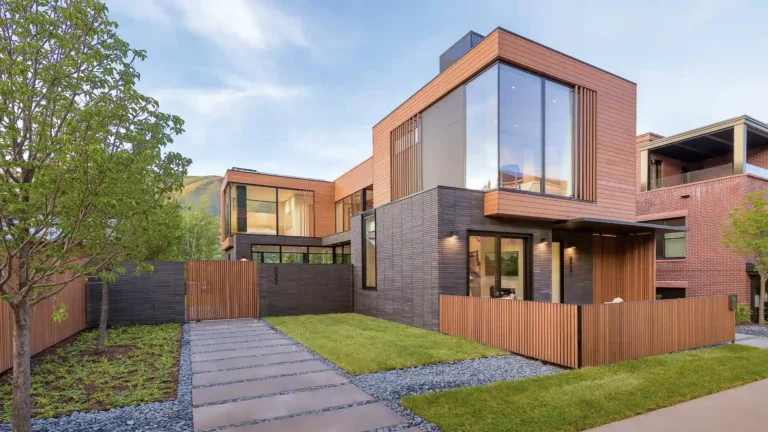
Residential streetscapes create immediate visual impressions through primary massing, roofline ratios, and fenestration patterns. Exterior alterations that ignore the primary architectural proportions disrupt visual balance and reduce property value. Incorporating high-contrast accents without structural grounding creates visual noise that overwhelms clean architectural lines.
Material Thermal Performance and Exposure
Exterior building products expand and contract continuously during intense thermal cycles across varied climate zones. Dark exterior coatings absorb intense solar radiation, raising surface temperatures and accelerating chemical binder breakdown. Selecting exterior cladding requires matching material thermal movement to local solar exposure indices.
Water Runoff and Hardscape Permeability
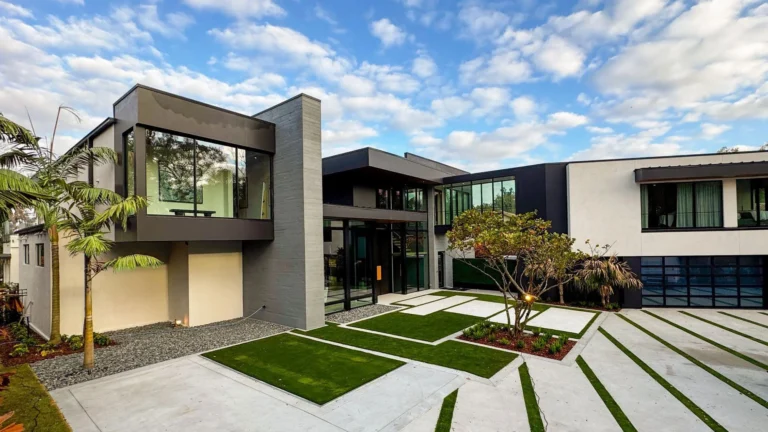
Impervious concrete driveways force intense stormwater runoff onto adjacent turf grass and foundation footings. Water pooling near foundation walls undermines soil compaction and causes basement moisture intrusion over time. Integrating permeable pavers, gravel retention beds, and graded swales directs water away from structural footings efficiently.
Historical Evolution of American Exterior Site Design
The Ornamental Suburban Era
Mid-century American residential developments prioritized uniform lawn expanses, ornamental shrubbery, and decorative architectural trim. Uninsulated exterior walls and single-pane windows permitted high thermal transfer, while continuous lawn maintenance required intensive water and chemical usage. Early suburban master plans enforced rigid aesthetic uniformity that ignored regional ecological constraints.
Shift Toward Functional Minimalisms
Developing durable composite materials, low-maintenance hardscapes, and native plantings changed residential site planning drastically during the late twentieth century. Traditional high-water lawns were gradually replaced by structured xeriscaping, dark cladding accents, and integrated exterior lighting. Modern site designs balance minimalist visual appeal with rigorous structural performance standards.
Adoption of Climate-Resilient Landscapes
Modern building codes and municipal regulations increasingly dictate stormwater retention, fire-resistant construction, and light pollution controls. Residential site plans incorporate native plant palettes, fire-defensible spaces, and dark-sky compliant lighting fixtures. Omitting ecological planning leaves properties vulnerable to wildfire damage, localized flooding, and regulatory fines.
Site Physics and Environmental Systems Integration
Stormwater Runoff Mechanics
Heavy rainfall creates significant surface runoff velocities across large roof surfaces and impermeable driveways. High-velocity runoff strips topsoil, erodes decorative hardscape beds, and overloads municipal sewer infrastructure during severe storms. Incorporating subsurface retention cells, dry creek beds, and bio-retention swales slows water movement and recharges groundwater tables safely.
Solar Radiation and Thermal Absorption
Direct solar radiation heats exterior wall assemblies, asphalt driveways, and unshaded hardscape surfaces rapidly. High surface temperatures increase interior cooling loads, accelerate paint chalking, and degrade joint sealants premature. Strategic deciduous tree planting shades southern wall exposures during summer while allowing beneficial winter solar heat gain.
Illumination Photometrics and Glare Control
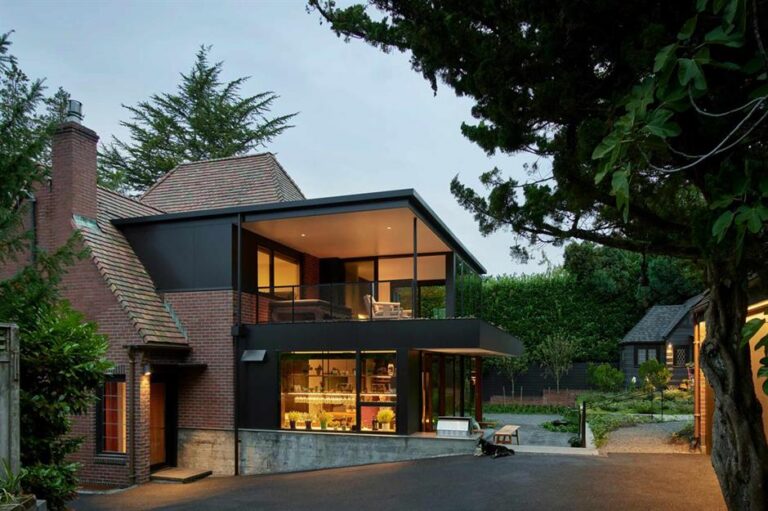
Unshielded exterior light fixtures project harsh glare into street corridors and adjacent neighboring properties. High-luminance light points degrade nighttime visual acuity and create deep shadow zones that compromise site security. Directing light downward using fully shielded fixtures enhances step visibility while maintaining soft nighttime architectural accents.
Comparative Analysis of Major Exterior Elements Modern Curb Appeal Trends USA
Exterior Cladding Systems
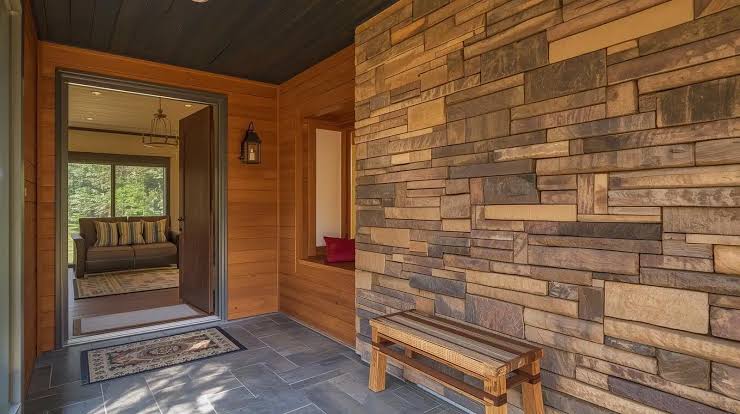
Engineered wood composites, fiber cement panels, and natural stone masonry represent primary exterior cladding choices across modern residential construction. Fiber cement delivers exceptional fire resistance and dimensional stability but requires careful joint sealing at material intersections. Natural stone veneer provides high visual durability, yet improper mortar mixing permits moisture absorption and efflorescence buildup.
Driveway and Walkway Paving Options
Interlocking concrete pavers, poured decorative concrete, and crushed natural aggregates form the primary hardscape surface options. Interlocking pavers accommodate minor soil movement without cracking, enabling easy repair access to underground utility lines. Monolithic concrete slabs crack under severe ground frost heave unless cut with precise expansion joints.
Structural Planting Matrices
Incorporating native perennial species, structural evergreen hedges, and ornamental grasses creates multi-layered visual depth along front elevations. Native plants require minimal supplemental irrigation once established, resisting regional drought conditions and local pest pressures effectively. Non-native turf grasses require continuous fertilizer applications, weekly mowing schedules, and high irrigation volumes to maintain color density.
Key Exterior Element Performance Factors
| Element Category | Thermal Resistance | Water Permeability | Maintenance Frequency |
| Fiber Cement Siding | High physical resistance | Low absorption rate | Bi-annual surface cleaning |
| Interlocking Pavers | Moderate physical stability | High through gravel joints | Annual joint sand replenishment |
| Native Perennials | High climate adaptability | High soil water uptake | Seasonal pruning cycles |
| Aluminum Lighting | High corrosion resistance | Fully sealed fixture housings | Annual lens cleaning |
Regional Site Decision Logic
Selecting exterior materials requires analyzing local weather extremes, soil compaction ratings, and slope dynamics. Coastal properties benefit from marine-grade powder-coated aluminum fixtures and salt-tolerant native plantings. Mountain homes require non-combustible exterior cladding, stone hardscapes, and clear defensible space radiuses.
Detailed Real-World Design Scenarios Modern Curb Appeal Trends USA
Coastal Salt Air Degradation
A coastal residence experienced severe exterior light fixture corrosion and paint peeling within eighteen months of completion. The developer installed standard painted steel fixtures and non-marine grade exterior fasteners directly along an ocean-facing elevation. Salt spray accelerated galvanic corrosion, destroying fixture housings and staining light-colored stucco walls with rust runoff.
Suburban Hardscape Water Intrusion
A suburban home developed basement wall dampness following the installation of a broad, non-permeable concrete patio. The hardscape contractor sloped the new slab toward the foundation wall rather than maintaining a positive outdoor drainage slope. Heavy rainwater collected against the foundation, forcing moisture through basement concrete pores via hydrostatic pressure.
High-Desert Vegetation Failure
A high-desert residential renovation incorporated non-native broadleaf shrubs along a south-facing exterior wall assembly. The landscaping team omitted deep drip irrigation lines and relied on shallow overhead spray heads during summer heatwaves. High evaporation rates and reflected solar heat off dark stone cladding desiccated the plant foliage, killing the landscape bed within six months.
Urban Infill Lighting Interference
A narrow urban townhouse installation used unshielded high-output floodlights along its front garage elevation. The bright light points created severe glare across the narrow street, blinding drivers and casting light directly into neighboring bedroom windows. Replacing floodlights with dark-sky compliant directional sconces eliminated light spill while illuminating the driveway path cleanly.
Financial Allocation and Resource Dynamics
Executing modern exterior renovations requires balancing initial material outlays against long-term maintenance overhead. Investing in high-grade exterior finishes, commercial subsurface drainage, and durable hardscape foundations increases initial project expenditures. However, repairing settled paver beds, rotted wall sheathing, and failed lighting circuits post-installation requires expensive demolition work.
Capital Allocation Dynamics
| Project Category | Capital Investment Profile | Long-Term Economic Impact |
| Subsurface Drainage | Moderate initial expenditure | Prevents costly foundation repairs and wall rot |
| Permeable Hardscapes | High initial expenditure | Eliminates runoff damage and resists soil settlement |
| Native Plant Installation | Moderate initial expenditure | Reduces weekly water bills and landscape maintenance |
Specialized Implementation Tools and Methodologies
Precision Site Design Equipment
-
Digital laser levels ensuring accurate hardscape slope grading and positive water drainage away from structures.
-
Soil compaction meters verifying sub-base stability before laying stone pavers or pouring concrete driveways.
-
Photometric light meters measuring foot-candle output across walkways to eliminate dark spots and blinding glare.
-
Thermal imaging cameras identifying insulation voids and air leakage paths along exterior door and window frames.
-
Rotary laser cutters creating clean masonry edges on high-density paver blocks without cracking surrounding stones.
-
Electronic soil moisture sensors tracking irrigation needs to prevent overwatering in decorative planting beds.
Advanced Drainage Systems
Modern site plans incorporate modular rain gardens, linear trench drains, and underground storage matrix tanks to manage heavy rainfall events. Multi-layer geotextile fabrics separate sub-base soil layers from gravel drainage courses, preventing silt clogging in retention pipes. Applying polymer jointing sand between paver stones seals surface gaps while permitting controlled water infiltration.
Risk Landscape and Structural Failure Taxonomy Modern Curb Appeal Trends USA
Primary Site Vector Failures
Residential exterior failures stem from four main vectors: improper surface grading, unsealed material transitions, incorrect light placement, and poor plant spacing. Each mistake creates distinct pathways for structural damage or aesthetic degradation. Managing these failure points systematically preserves real estate value over long lifecycles.
Sub-Base Settlement Dynamics
Laying hardscape pavers over uncompacted soil sub-bases triggers rapid structural settlement under vehicle wheel loads. Heavy rain drives water into uncompacted soil voids, shifting paver alignments and creating hazardous tripping edges across walkways. Rebuilding settled driveways requires complete surface removal, deep excavation, and dynamic soil compaction.
Vegetation Root Intrusion
Planting large canopy trees too close to residential structures causes severe root intrusion into underground drainage lines and foundation footings. Growing root systems exert high hydraulic pressure against concrete footings, cracking basement walls and blocking sewer lines over time. Maintaining appropriate setback distances prevents expensive underground structural repairs.
Long-Term Governance and Maintenance Protocols
Routine Exterior Inspection Schedules
Maintaining exterior site assemblies requires systematic property inspections every spring and autumn season. Homeowners should inspect paver sand joints, clear trench drain grates, and test exterior lighting safety sensors. Early identification of cracked sealants or clogged drainage outlets prevents structural water damage across front elevations.
Complete Property Inspection Checklist
-
Verify that driveway and walkway slope angles direct surface water away from foundation walls.
-
Inspect window and door perimeter caulking for adhesion loss, shrinkage, or surface cracking.
-
Confirm that exterior light fixtures remain firmly mounted with sealed junction boxes.
-
Examine hardscape paver joints for sand loss, weed growth, or minor stone displacement.
-
Test irrigation control valves and drip emitters for line clogs or high-pressure leaks.
-
Clear fallen leaves and organic debris from dry creek beds, trench drains, and swale outlets.
Performance Tracking and Evaluation Metrics
Site Health Indicators
Evaluating exterior property health involves tracking leading structural metrics alongside visual landscape changes over time. Leading indicators include maintaining positive soil slope angles and keeping subsurface drainage channels clear of silt. Lagging indicators include surface paver cracking, wall paint chalking, standing surface water, and plant foliage dieback.
Property Documentation Standards
-
Comprehensive photographic records capturing subsurface drainage pipe installations prior to backfilling topsoil.
-
Hardscape layout drawings noting exact locations of underground electrical conduits and irrigation valves.
-
Contractor material specification sheets detailing paint codes, paver manufacturer colors, and sealant types.
-
Annual maintenance logs recording tree pruning dates, paver sand replenishment, and fixture seal updates.
Persistent Industry Myths and Oversimplifications Modern Curb Appeal Trends USA
Myth: Dark Exterior Paint Increases Property Value Uniformly
A widespread misconception assumes painting exterior walls dark charcoal or black elevates modern home aesthetics universally. Dark coatings absorb intense thermal energy, expanding wood siding boards and blistering surface coatings in hot climates. Applying dark paint without evaluating wall thermal resistance triggers rapid coating failure.
Myth: High-Lumen Floodlights Maximize Home Security
Property owners frequently install high-output floodlights thinking intense brightness deters unwanted intruders effectively. Unshielded high-lumen bulbs cast severe glare that blinds security cameras and creates dense shadow zones nearby. Shielded directional lighting creates uniform visibility without blinding light hot spots.
Myth: Turf Grass Delivers the Lowest Maintenance Landscape
Laying widespread turf grass appears simple initially, but it requires continuous chemical inputs, continuous watering, and weekly labor. Turf grass lacks deep root structures, rendering it vulnerable to summer drought and pest infestations. Transitioning to native ground covers lowers long-term maintenance budgets significantly.
Myth: Hardscape Sealer Eliminates Maintenance Permanently
Applying clear protective sealer over pavers protects against oil stains briefly, but it does not remove maintenance needs. Topical sealers wear down under foot traffic and solar exposure, requiring reapplication every two to three years. Neglecting joint sand replenishment leads to paver shifting regardless of topical sealer application.
Ethical and Environmental Considerations
Designing modern residential exteriors responsibly requires balancing aesthetic preferences with broader environmental impacts. Reducing impermeable driveway footprints prevents heavy urban runoff from carrying pollutants into local watershed streams. Selecting energy-efficient LED fixtures with warm color temperatures minimizes light pollution and protects nocturnal insect populations.
Sourcing locally quarried stone and regionally grown native plants reduces transportation emissions while supporting local nurseries. Avoiding synthetic chemical fertilizers in landscape beds prevents toxic nitrate runoff from contaminating groundwater reservoirs. Responsible site design blends architectural aesthetics with environmental stewardship seamlessly.
Conclusion
Mastering modern curb appeal trends USA requires integrating site drainage physics, durable material selections, and deliberate spatial lighting design. Exterior property improvements must balance visual massing with functional environmental performance to protect structural assets over decades. Property owners and design professionals who prioritize ground preparation, water management, and climate-adapted materials build resilient residential environments. Rigorous execution during site construction prevents premature material decay, maintains neighborhood visual coherence, and delivers long-term property value across all real estate cycles.