How to Avoid Moisture Barrier Failures in Commercial and Residential Structures
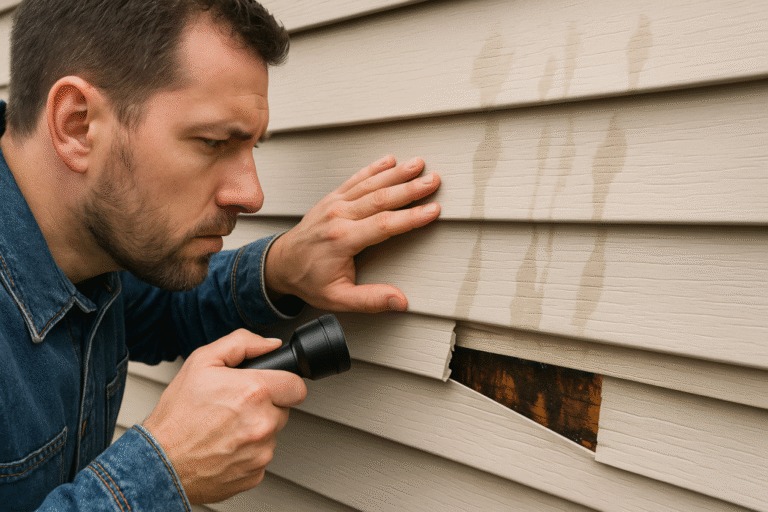
Building envelope performance relies fundamentally on the continuous integrity of subsurface moisture barriers across foundation slabs, exterior wall assemblies, and roofing systems. Moisture migration through structural assemblies damages organic framing materials, compromises insulation performance, and generates mold growth inside interior living spaces. How to Avoid Moisture Barrier Failures. While material selections receive substantial attention during project design phases, field failures occur primarily due to compromised details at mechanical penetrations, perimeter terminations, and material transitions.
The physical behavior of water vapor within wall and floor systems is governed by vapor pressure differentials, temperature gradients, and material permeability ratings. Designers often treat moisture retarders as standalone defensive membranes rather than integral components of a dynamic, multi-layered hygrothermal system. When a vapor retarder is improperly placed relative to the insulation layer, seasonal temperature shifts turn internal wall cavities into active condensation chambers.
Preventing moisture envelope degradation demands an advanced understanding of site hydrology, seasonal psychrometrics, and structural movement tolerances. Subsurface hydrostatic pressure can force liquid water through microscopic membrane punctures, while vapor drive pushes gaseous water through permeable concrete matrix structures. Addressing these physical forces requires systematic execution protocols that align material science with rigorous field quality assurance procedures.
Understanding How to Avoid Moisture Barrier Failures
Defining Mechanical and Vapor Control Mechanisms
Learning how to avoid moisture barrier failures begins with distinguishing between liquid water waterproofing and gaseous water vapor retarders. Waterproofing membranes resist direct hydrostatic liquid pressure, whereas vapor retarders restrict moisture diffusion across permeable building materials. Confusing these functional roles leads project teams to specify thin vapor sheets where elastomeric liquid waterproofing is physically required to hold back water tables.
Vapor Pressure Gradients and Permeability Ratings
Vapor drive moves moisture from areas of high vapor pressure toward areas of lower vapor pressure across structural wall sections. The rate of this moisture diffusion depends on material perm ratings, where lower perm values indicate greater resistance to vapor passage. Selecting an inappropriately rated membrane traps indoor-generated humidity inside framing cavities, accelerating hidden structural decay over changing seasons.
Subsurface Mechanical Protection Strategies
Physical punctures during concrete placement or backfilling operations compromise even the most advanced low-perm membrane materials. Heavy aggregate movement, trade foot traffic, and sharp rebar chairs easily puncture unarmored polyolefin sheets laid over rough sub-bases. Incorporating protective geotextile underlayments or thick extruded protection boards preserves membrane continuity throughout aggressive construction sequences.
Historical Context and Building Science Evolution
Traditional Masonry and Permeable Wall Systems
Nineteenth-century structures relied on thick mass masonry walls that absorbed rainwater during wet periods and released it slowly through natural evaporation. These traditional mass systems lacked continuous air or vapor barriers, functioning safely because uninsulated wall cavities permitted continuous drying airflow. Internal room heat passed through exterior walls rapidly, drying wet brickwork before fungal decay could establish inside framing timbers.
Mid-Century Synthetic Membranes and Vapor Trapping
Post-war building developments introduced synthetic polyethylene sheets alongside dense fibrous glass insulation batts inside wall stud cavities. Installers stapled thin plastic sheets directly over interior framing faces without sealing horizontal lap seams or perimeter wall junctions. These unsealed vapor barriers trapped outward-moving indoor humidity against cold exterior sheathing, causing widespread wood framing rot and structural fastener corrosion.
Modern Building Physics and Dynamic Assemblies
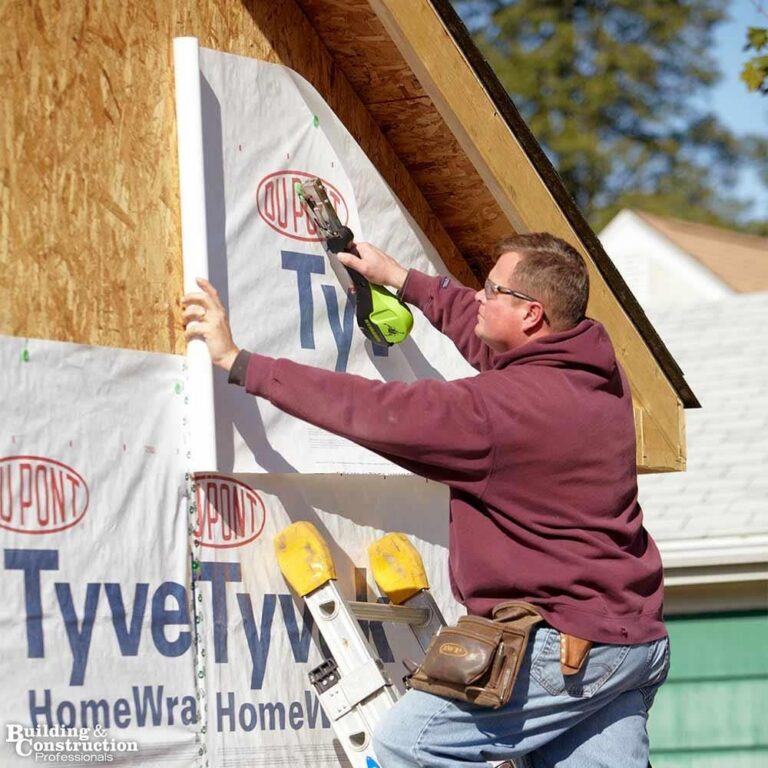
Contemporary envelope engineering utilizes dynamic smart vapor retarders that adjust their internal pore structures based on ambient relative humidity levels. Modern building codes require continuous exterior insulation to keep structural sheathing warm, shifting the dew point outside the main framing cavity. Today, holistic envelope strategies integrate continuous weather-resistive barriers, air barriers, and back-ventilated drainage cavities to ensure rapid drying potential.
Conceptual Frameworks and Hygrothermal Models
The Dew Point Shift and Condensation Plane Model
Analyzing wall assembly hygrothermal dynamics requires tracking temperature drops across insulation layers to identify potential internal condensation planes. When warm, humid air contacts a surface at or below its dew point temperature, gaseous vapor condenses into liquid water immediately.
Condensation Plane Mechanics
If continuous exterior insulation is omitted, structural sheathing drops below the indoor dew point during cold winter months. Outward-diffusing indoor vapor condenses directly on cold plywood surfaces, saturating wood fibers and promoting rapid mold germination.
Thermal Resistance Balancing
Adding continuous exterior insulation raises internal sheathing temperatures above local dew point thresholds throughout the year. Maintaining warm sheathing surfaces eliminates internal condensation risk, allowing wall assemblies to manage seasonal humidity shifts safely without structural decay.
Rainscreen Cavity Pressure Equalization Dynamics
Ventilated rainscreen systems neutralize wind-driven rain intrusion by equalizing air pressures within background drainage cavities. Openings along wall tops and bottoms permit exterior air pressures to enter the drainage cavity directly behind outer cladding panels.
Neutralizing Capillary Draw
Equalizing cavity air pressure stops wind forces from sucking surface water through narrow panel joints and fastener penetrations. Gravity channels intruding liquid downward toward base flashing weep holes, preventing water from reaching underlying weather-resistive barriers.
Continuous Background Ventilation
Continuous air movement through back-ventilated cavities dries out residual moisture that clings to membrane surfaces after major storms. Rapid drying cycles prevent moisture from lingering against weather barriers, preserving membrane adhesive bonds across decades of service.
Material Classifications and Membrane Variations
Polyolefin Underslab Vapor Barriers
Underslab vapor barriers utilize engineered polyolefin resins formulated to resist chemical degradation from alkaline concrete and soil microbes. Modern underslab standards require high tensile strength and puncture resistance to withstand aggregate impact during steel placement.
Puncture Resistance Engineering
Low-grade construction sheets puncture easily under construction foot traffic, creating pathways for subsurface moisture and radon gas diffusion. High-performance underslab membranes feature multi-layer extruded polyolefin matrices that stretch under point loads without tearing open.
Seam Tape Adhesion Mechanics
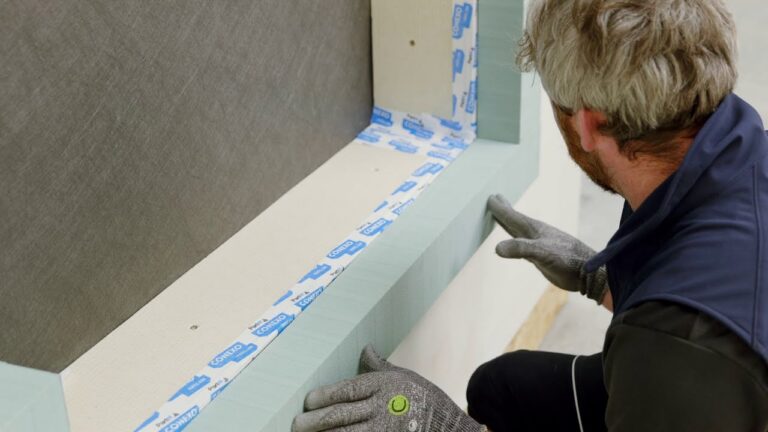
Underslab membrane continuity depends on specialized butyl or acrylic seam tapes engineered to bond securely in damp, dirty environments. Field technicians must clean membrane edges thoroughly before pressing high-tack tape down using weighted rollers to ensure permanent watertight seals.
Fluid-Applied Elastomeric Membranes
Fluid-applied membranes provide seamless waterproofing protection across complex architectural geometry, foundation walls, and window rough openings. These liquid systems cure into flexible rubberized skins that bridge structural hairline cracks caused by concrete curing shrinkage.
Wet-Film Thickness Monitoring
Achieving specified dry-film thickness requires continuous monitoring using wet-film mil gauges during liquid membrane application. Applying liquid coatings too thinly leaves microscopic pinholes, whereas overly thick applications cure unevenly and develop surface mud-cracks.
Substrate Moisture Constraints
Applying fluid-applied membranes over damp concrete surfaces traps moisture, preventing proper chemical adhesion and causing destructive membrane blistering. Installers must test concrete moisture emission rates using calcium chloride or relative humidity probes before applying liquid coatings.
| Membrane Classification | Permeability Rating (Perms) | Primary Physical Strength | Critical Field Application Risk |
| Polyolefin Underslab Sheet | < 0.01 Perms (Class I) | Exceptional Puncture Resistance | Aggregate puncture & unsealed lap seams |
| Fluid-Applied Elastomeric | < 0.1 Perms (Class I) | Seamless Crack Bridging | Damp concrete outgassing & thin spots |
| Self-Adhered SBS Bitumen | < 0.05 Perms (Class I) | High Tensile Self-Sealing | Low-temperature adhesion failure |
| Variable Perm Smart Fabric | 0.8 to > 10.0 Perms | Dynamic Moisture Drying | Reverse installation & solvent damage |
Real-World Field Scenarios and Failure Analysis How to Avoid Moisture Barrier Failures
High-Rise Concrete Podium Deck Waterproofing
Split-slab podium decks feature buried waterproofing membranes positioned between structural concrete slabs and concrete topping slabs. Water entering topping slab expansion joints migrates laterally along buried membrane surfaces, seeking unsealed pipe penetrations or cold joints.
Diagnostic Leak Tracing
Locating podium leaks requires electric vector mapping or specialized electronic leak detection equipment to trace water paths back to membrane breaches. Water often travels fifty feet horizontally along buried slab channels before dripping through interior ceiling cracks below.
Corrective Injection Grouting
Remediating buried podium membrane leaks without removing surface paving involves injecting hydrophilic polyurethane grouts directly through structural concrete cracks. The expanding polyurethane foam reacts with trapped water, expanding into dense rubber seals that close concrete void networks.
Commercial Below-Grade Elevator Pit Applications
Elevator pits represent deep subterranean structures subjected to high hydrostatic water pressures from seasonal water tables. Inadequate perimeter drainage or unsealed tie-rod holes allow pressurized water to enter elevator pits, damaging mechanical lifts.
Negative-Side Crystalline Treatment
When excavating exterior pit walls is impossible, contractors apply negative-side crystalline waterproofing coatings over interior concrete surfaces. Crystalline chemicals react with unhydrated cement particles inside concrete pores, forming insoluble micro-crystals that block water passage.
Structural Joint Hydrophobic Sealing
High-movement cold joints around elevator pit perimeters require specialized swelling waterstop strips embedded within the concrete matrix. These hydrophilic waterstops expand upon contact with intruding water, exerting positive pressure that seals internal concrete joint gaps.
Financial Modeling and Resource Allocation How to Avoid Moisture Barrier Failures
Direct Material Costs vs. Deferred Risk Expenses
Budgeting moisture barrier systems requires evaluating upfront material expenses against the catastrophic cost of post-construction leak remediation. High-performance underslab membranes represent a small fraction of total foundation costs, yet failing underslab protection damages finished flooring.
Labor Distribution and Detail Sizing Costs
Labor charges account for a major portion of complete envelope installation budgets, with intricate flashing details consuming significant trade time. Skimping on labor hours during window flashing or pipe penetration sealing leads directly to premature envelope leakage.
| Cost Allocation Category | Budget Proportion | Primary Cost Drivers | Long-Term Envelope Return |
| Primary Membrane Materials | 25% – 35% | Polymer thickness, chemical grade | Ensures high puncture resistance & low perms |
| Substrate Surface Preparation | 20% – 30% | Shot-blasting, priming, drying time | Guarantees permanent chemical adhesion |
| Penetration & Detail Flashing | 20% – 25% | Pre-formed boots, liquid corner seals | Stops primary water entry at wall penetrations |
| Quality Control Testing | 10% – 15% | Vector mapping, flood testing | Identifies hidden membrane defects early |
Diagnostic Tooling and Execution Hardware
Field Diagnostic Testing Equipment
Locating hidden moisture barrier defects before enclosing wall assemblies requires specialized field diagnostic equipment and non-destructive testing tools. Electronic vector mapping pinpoints microscopic membrane breaches across horizontal plaza decks by detecting electrical current leakage through wet substrate layers.
Specialized Installation Tooling
Executing reliable membrane installations demands specialized equipment engineered to maintain temperature, pressure, and coating thickness standards. Automated hot-air welding machines seam thermoplastic sheets together with consistent heat and pressure, producing seam bonds stronger than the membrane.
-
Automated hot-air membrane welders that maintain constant temperature and travel speed along lap seams
-
Electronic vector mapping generators to detect microscopic pinholes across wet horizontal waterproofing decks
-
Digital wet-film mil gauges to measure liquid membrane application thickness accurately during spraying operations
-
High-tack weighted seam rollers to press self-adhered flashing tapes into substrate surface profiles firmly
-
Concrete relative humidity probe kits to measure internal slab moisture levels before applying coatings
-
Infrared thermal imaging cameras to locate saturated insulation and cold air leakage paths behind cladding
-
Non-hardening butyl caulking guns designed to apply continuous vibration-resistant sealant beads
Comprehensive Risk Taxonomy and Degradation Pathways
Chemical Degradation and Plasticizer Migration
Plasticized polyvinyl chloride membranes experience gradual plasticizer migration when exposed to bitumen, polystyrene insulation, or solar ultraviolet rays. Losing plasticizer chemicals causes flexible plastic membranes to become brittle, shrink, and crack open along structural stress points over time.
Mechanical Abrasion and Construction Damage
Trade foot traffic, dragging heavy rebar mats, and dumping concrete aggregate directly over unarmored sheets scratch and tear protective membranes. These mechanical tears create unsealed pathways that allow pressurized subterranean groundwater to bypass the waterproofing layer freely.
Substrate Outgassing and Membrane Blistering
Applying non-permeable fluid-applied membranes over damp concrete exposed to direct sunlight causes trapped moisture to vaporize rapidly. Expanding water vapor forces its way upward, creating large liquid-filled blisters that detach the cured membrane skin from concrete substrates.
Governance Protocols and Long-Term Adaptation
Pre-Installation Substrate Inspection Standards
Preventing moisture barrier failures requires establishing strict substrate acceptance criteria before applying membrane materials. Concrete substrates must be cured, clean, free of sharp fins, and dry enough to pass plastic sheet moisture tests without surface darkening.
Routine Envelope Inspection Protocols
Building management teams must conduct bi-annual visual inspections across exposed roofing membranes, wall terminations, and drainage outlets. Clearing leaf debris from roof drains and inspecting perimeter caulk joints regularly prevents standing water from stressing elastomeric seals.
-
Inspect roof drains and overflow scuppers to ensure clear drainage paths for storm runoff.
-
Check perimeter termination bars and counter-flashings for loose fasteners or cracked sealants.
-
Examine expansion joint covers for physical damage, tearing, or loss of elasticity.
-
Verify building weep channels remain unblocked by mortar droppings or soil accumulation.
-
Test sump pumps and pit float switches to ensure immediate removal of subterranean water.
-
Re-apply UV-stable polyurethane sealants along exposed trim joints showing signs of weathering.
Diagnostic Metrics and Envelope Evaluation
Quantitative Slab Moisture Emission Auditing
Evaluating floor slab readiness involves measuring internal concrete relative humidity using in-situ probes installed according to ASTM standards. Internal slab relative humidity must register below seventy-five percent before installing moisture-sensitive wood or vinyl flooring products.
Non-Destructive Electronic Leak Detection
Electronic leak detection tests horizontal waterproofing assemblies by applying a low-voltage electrical charge across the membrane surface. An grounding cable connected to the concrete deck detects electrical flow through membrane breaches, locating tiny pinholes accurately.
Building Documentation Archiving How to Avoid Moisture Barrier Failures
Project owners should maintain comprehensive digital logs documenting membrane batch numbers, weather conditions during application, and electronic leak test maps. Retaining complete installation records simplifies sourcing compatible repair materials if building modifications occur decades later.
Persistent Industry Misconceptions
The Impermeable Concrete Fallacy
A widespread myth assumes that thick structural concrete slabs function as permanent, impenetrable moisture barriers on their own. In reality, cured concrete contains an interconnected network of microscopic pores that draw liquid groundwater upward through capillary action.
The Caulk-Everything Sealing Myth
Inexperienced maintenance workers often inject silicone caulk into open weep holes and flashing joints to stop reported leaks. Sealing weep channels traps intruding rainwater inside wall cavities, accelerating structural wood decay and forcing water into living spaces.
Synthetic Sheet Indestructibility Fallacy
Marketing materials often describe heavy plastic vapor barriers as indestructible sheets that withstand any jobsite condition without protection. While modern polymers resist tears, dragging sharp steel rebar or dumping rough gravel crushes thin plastic films easily.
The Reverse Permeability Misconception
Some builders believe installing low-perm vapor retarders on both sides of a wall assembly offers double protection against moisture. Trapping moisture between two vapor-impermeable layers prevents natural drying, creating an internal moisture trap that rots structural framing quickly.
Ethical and Practical Considerations
Indoor Air Quality and Mold Remediation Integrity
Failing moisture barriers allow damp conditions to develop inside wall cavities, promoting toxic mold spore growth behind drywall. Building teams hold an ethical responsibility to ensure continuous moisture protection to preserve healthy indoor air quality for occupants.
Environmental Sustainability and Material Lifespan
Replacing water-damaged building materials prematurely generates massive amounts of construction waste that fills municipal landfills unnecessarily. Installing durable, correctly specified moisture barriers extends building lifespans, reducing resource consumption and environmental impact over time.
Conclusion
Determining how to avoid moisture barrier failures requires integrating hygrothermal building science, rigorous substrate preparation, and detailed field execution. Protecting structural envelopes depends on maintaining continuous low-perm barriers, sealing penetrations with compatible flashings, and accommodating structural movement. Building owners and design professionals who follow disciplined envelope engineering principles construct resilient, dry structures that withstand environmental exposure across changing seasons.