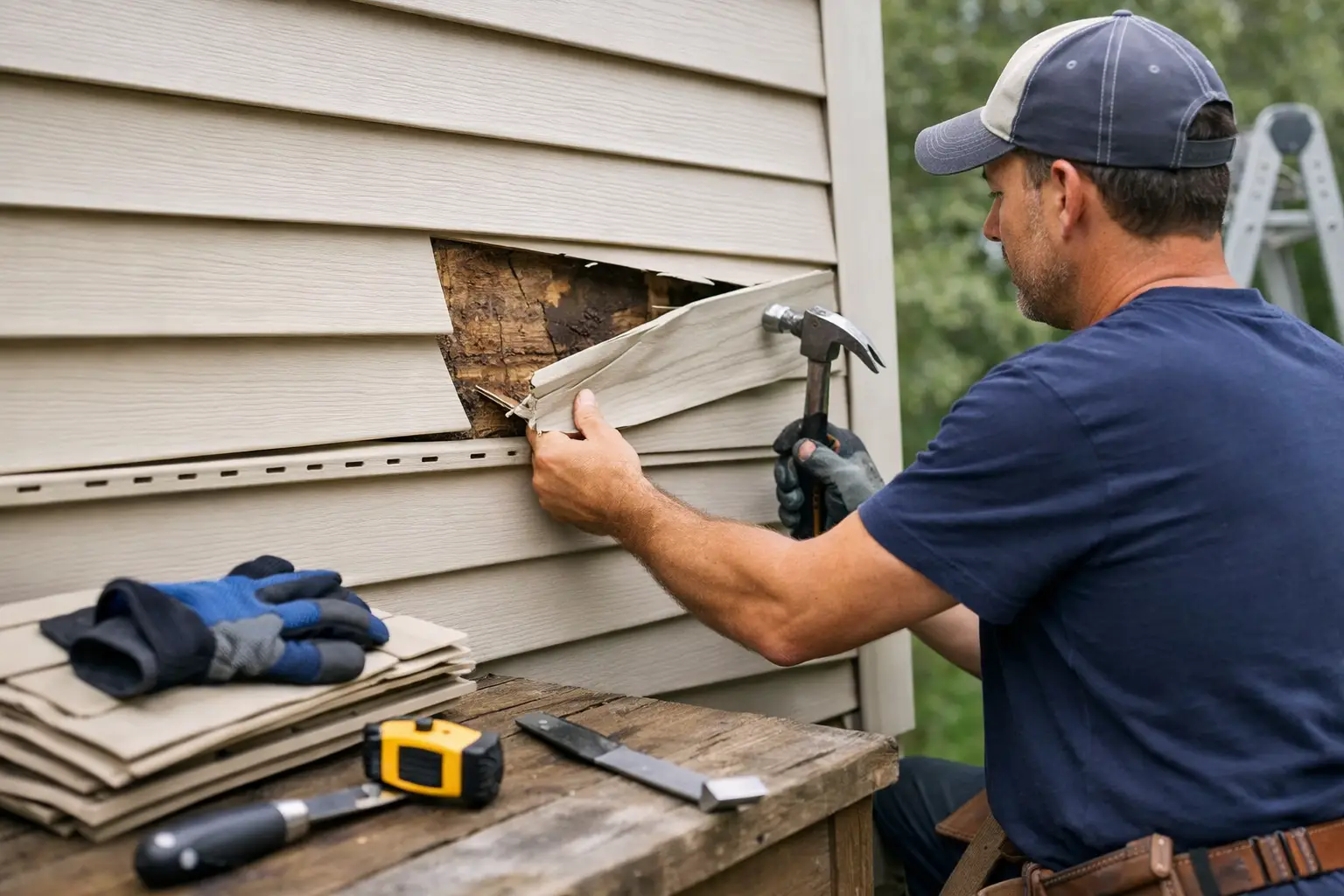
How to Manage Old Material Disposal Safely and Efficiently During Renovations
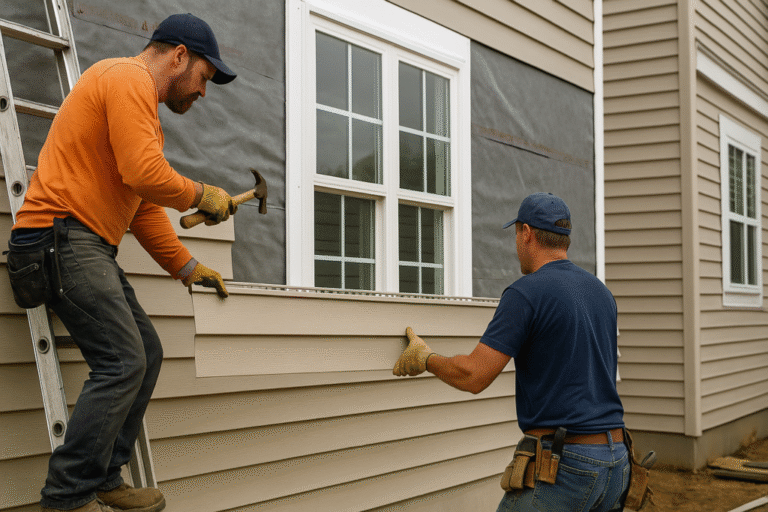
Modern renovation projects generate massive volumes of legacy building debris that require structured containment, specialized handling, and legally compliant off-site transport. Stripping out old structures exposes workers and surrounding residential environments to hazardous materials like lead paint, friable asbestos, crystalline silica, and preserved timber. How to Manage Old Material Disposal Safely. Handling these waste streams without proper protocols threatens worker health while exposing property owners to substantial environmental fines. Managing hazardous debris demands systematic material identification before demolition crews begin removing exterior cladding, roof shingles, or interior drywall assemblies.
Subsurface environmental risks often remain completely unnoticed behind intact wall boards and beneath decorative flooring layers until active demolition begins. Friable asbestos insulation releases microscopic airborne fibers when disturbed by mechanical saws, while lead-based paint dust settles across nearby soil and HVAC ducts. Inadequate containment strategies allow these hazardous particles to migrate freely, contaminating active living zones and adjacent properties. A successful material disposal protocol relies on comprehensive pre-demolition testing, containment barriers, and specialized waste haulers certified to transport toxic compounds.
Establishing a cost-effective waste management plan requires balancing immediate disposal tipping fees against long-term liability risks. Simply commingling non-hazardous lumber with regulated chemical waste inflates municipal dump fees while violating municipal environmental safety codes. Project managers must create organized sorting zones, enforce personal protective equipment protocols, and track chain-of-custody documentation for regulated waste shipments. Mastering these operational variables turns hazardous demolition clearing into a controlled, safe material handling workflow.
Understanding “How to Manage Old Material Disposal Safely”
Regulatory Compliance Boundaries
Learning how to manage old material disposal safely starts with establishing clear legal boundaries for toxic and non-toxic building waste. Federal and local environmental agencies mandate specific handling procedures for hazardous waste streams like lead dust, mercury switches, and friable asbestos. Commingling hazardous components with standard municipal trash violates environmental protection laws, leading to immediate job site shutdowns and severe financial penalties. Project managers must verify local waste disposal regulations before removing structural elements from older residential or commercial properties.
Occupational Exposure Controls
Protecting site workers from airborne dust particles and toxic chemical fumes requires implementing strict engineering controls during demolition phases. Negative pressure air scrubbing machines capture microscopic silica dust, while sealed plastic containment poly barriers prevent hazardous particles from migrating into occupied interior zones. Equipping workers with properly fitted respirators, disposable coveralls, and thick nitrile gloves reduces dermal contact and inhalation risks significantly. Site managers must enforce these safety protocols consistently throughout high-dust demolition activities.
Material Segregation and Sorting Efficiency
Organizing waste streams directly at the point of demolition reduces overall disposal expenses while maximizing material recycling potential. Separating clean structural lumber, scrap metal, and masonry rubble from contaminated plaster prevents unnecessary hazardous waste surcharges at regional transfer stations. Staging clearly labeled roll-off dumpsters on job sites encourages trade crews to discard materials into designated recycling channels. Disciplined waste sorting lowers project tipping fees and streamlines site cleanup operations.
Regulatory Evolution and Building Science Context
The Era of Unregulated Building Waste Dumping
Early twentieth-century construction practices paid minimal attention to the long-term environmental hazards associated with legacy building materials. Demolition crews routinely dumped toxic lead-painted timbers, heavy mercury fixtures, and asbestos-laden pipe insulation into unlined municipal pits. These early unlined landfills allowed hazardous heavy metals and industrial chemicals to leach into local groundwater reserves over time. Unregulated disposal practices created lingering environmental hazards that continue to affect surrounding soil chemistry near historic industrial centers.
Environmental Legislation and Hazard Awareness
Growing public awareness during the late twentieth century prompted strict federal regulations governing toxic material manufacturing and building waste handling. The restriction of lead-based paints in the late 1970s marked a major shift toward safer interior building materials. Subsequent environmental legislation mandated strict chain-of-custody tracking for friable asbestos removal, establishing certified hazardous waste transport requirements. Modern construction standards treat old building demolition as a controlled environmental remediation process rather than simple structural destruction.
Modern Material Life-Cycle Management
Contemporary waste management strategies prioritize circular economy principles, resource recovery, and hazardous chemical isolation across all renovation phases. Modern building codes encourage systematic deconstruction over aggressive structural demolition, allowing clean historical timbers, architectural fixtures, and metals to be salvaged safely. Specialized recycling facilities now process crushed concrete into aggregate sub-base materials, diverting thousands of tons of masonry from overcrowded landfills annually. Today, safe waste management aligns regulatory compliance with sustainable site waste reduction goals.
Conceptual Frameworks for Debris Stream Management
The Material Toxicity and Containment Hierarchy
Managing site waste safety requires categorizing all building debris based on chemical toxicity, friability, and environmental migration potential. Understanding these distinct hazard tiers enables project supervisors to assign appropriate personal protective gear and containment systems effectively.
High-Toxicity Friable Hazards
Materials containing loose asbestos fibers, lead paint dust, or toxic chemical residue demand full negative-pressure containment enclosures. Highly friable materials crumble easily under light hand pressure, releasing hazardous microscopic particles that remain suspended in room air for days.
Non-Friable Stable Waste
Intact concrete slabs, untreated framing lumber, and clean drywall boards present minimal chemical toxicity risks during standard material handling operations. These stable waste streams require basic dust suppression sprays and standard heavy-duty work gloves during removal and transport phases.
The Chain-of-Custody Waste Tracking Model
Regulated environmental waste management relies on continuous chain-of-custody documentation to track toxic debris from removal points to certified disposal sites. Maintaining clear documentation protects property owners from future environmental liability if hazardous materials are dumped illegally by third-party haulers.
Manifest Generation Procedures
Authorized hazardous waste handlers generate detailed waste transport manifests that document the exact volume, material classification, and origin point of toxic debris. The project manager must review these manifests to ensure accurate material descriptions before transport trucks leave the job site.
Facility Receipt Verification
Certified hazardous waste landfills issue formal receipt confirmations upon receiving and processing regulated waste shipments safely. Archiving these signed transfer receipts confirms legal compliance and provides verifiable proof of proper environmental remediation for regulatory inspectors.
Material Classifications and Waste Stream Variations
Friable Asbestos-Containing Insulation
Asbestos-containing materials represent severe health hazards when damaged, disturbed, or aged beyond their structural integrity during home remodeling. Thermal pipe insulation, sprayed-on fireproofing, and old textured ceiling plasters release microscopic mineral fibers that cause severe respiratory diseases when inhaled.
Containment Enclosure Protocol
Removing friable asbestos requires building sealed plastic poly enclosures equipped with high-efficiency particulate air scrubbing fan units. Creating continuous negative air pressure prevents loose mineral fibers from escaping through door gaps into adjacent residential living spaces.
Saturated Wet-Removal Techniques
Wetting friable asbestos materials with surfactant-treated water solutions minimizes airborne fiber generation during manual stripping operations. Workers must package wet asbestos debris inside double-thick, clearly labeled hazardous waste bags before transferring materials into sealed disposal containers.
Lead-Painted Architectural Elements
Residential properties constructed prior to 1978 frequently contain multiple layers of toxic lead-based paint on exterior siding, window frames, and interior trim boards. Sanding, scraping, or breaking lead-painted wood components creates invisible toxic dust that contaminates surrounding floor surfaces and outdoor garden soil.
High-Efficiency Particulate Vacuuming
Clearing lead dust from interior work areas demands using specialized industrial vacuums fitted with certified high-efficiency particulate air filter elements. Standard shop vacuums lack fine filtration media, blowing toxic lead dust straight back into indoor room air during cleanup.
Chemical Scraping and Encapsulation
Applying chemical stripping gels softens legacy lead paint layers without generating dangerous airborne dust particles during scraping operations. Encapsulating intact lead-painted components with specialized elastomeric coatings stabilizes surfaces safely when total material removal remains cost-prohibitive.
| Waste Classification | Toxicity & Risk Level | Primary Handling Requirement | Preferred Disposal Path |
| Friable Asbestos Insulation | Severe Respiratory Hazard | Full negative air containment & wetting | Certified hazardous material landfill |
| Lead-Painted Wood Trim | High Toxic Dust Risk | HEPA vacuuming & dust containment | Controlled industrial waste facility |
| Creosote-Treated Timbers | Moderate Chemical Risk | Dermal protection & ventilation | Approved commercial incinerator/landfill |
| Clean Masonry & Concrete | Low Mechanical Risk | Water spray suppression | Local aggregate crushing & recycling |
Field Execution Scenarios and Containment Protocols How to Manage Old Material Disposal Safely

Kitchen Overhaul in an 80-Year-Old Residence
A complete interior kitchen renovation in a historic residence revealed multiple layers of vinyl floor tiles containing encapsulated asbestos backing. Inexperienced removal techniques threatened to break brittle floor tiles, releasing toxic asbestos fibers into central heating ductwork.
Emergency Site Containment
Work was suspended immediately while technicians sealed HVAC floor vents using heavy adhesive plastic sheeting and foam board inserts. Installers constructed a temporary polyethylene isolation chamber featuring a double-flap zipper door entry to isolate the kitchen demolition zone completely.
Wet-Stripping Execution
Workers saturated tile adhesive layers using chemical softening solutions, lifting tiles intact using wide floor scrapers without grinding brittle backing materials. Sealed waste bags were wiped clean inside the airlock chamber before being loaded into a dedicated hazardous transport vehicle.
Exterior Siding Stripping on a Coastal Property
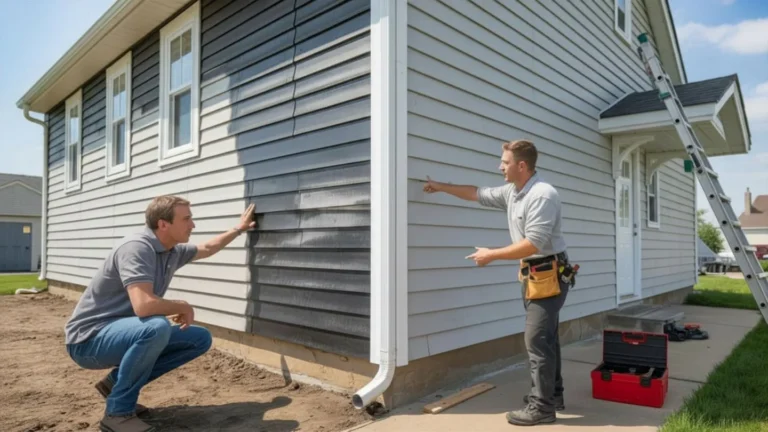
Removing deteriorating cedar shingle siding on a coastal home exposed historical lead-based paint coats that were flaking off exterior wall sheathing. High coastal winds threatened to blow loose paint chips across neighboring properties and sensitive marine soil zones.
Ground Cover Drop Cloth Deployment
Technicians secured heavy reinforced plastic tarps along the exterior wall base, extending plastic sheets ten feet outward from the foundation line. Taping tarp seams directly to foundation walls captured all falling paint chips and wood scrap cleanly throughout siding removal.
Daily Soil Cleaning Operations
At the end of each work shift, technicians misted ground drop cloths with water sprayers before folding plastic sheets inward carefully. Collecting loose paint debris daily prevented coastal winds from scattering toxic lead flakes into surrounding garden soil beds.
Cost Modeling and Resource Allocation Dynamics How to Manage Old Material Disposal Safely
Upfront Disposal Fees versus Regulatory Fines
Budgeting renovation projects requires weighing proper hazardous waste handling costs against the extreme financial penalties levied for illegal dumping. Hiring certified hazardous material haulers increases initial budget allocations, yet prevents thousands of dollars in municipal environmental violation fines.
Labor Allocation for Site Waste Sorting
Allocating dedicated labor hours for material sorting on site reduces overall project dumpster rental and tipping fees substantially. Separating heavy concrete rubble from lightweight wood debris prevents mixed-load penalties at regional municipal recycling and disposal facilities.
| Cost Allocation Category | Budget Proportion | Primary Cost Drivers | Long-Term Cost Return |
| Hazardous Testing & Audits | 10% – 15% | Lab sample processing, specialist fees | Avoids shutdown fines & toxic exposure |
| Containment Hardware & Gear | 15% – 20% | HEPA scrubbers, poly sheets, respirators | Protects worker health & living area |
| Certified Transport & Dumping | 35% – 45% | Distance, hazardous landfill tipping rates | Eliminates future legal liability claims |
| On-Site Sorting & Cleanup Labor | 25% – 30% | Labor hours, dumpster rental duration | Minimizes mixed-dumpster surcharge fees |
Operational Hardware and Diagnostic Support Tools
Diagnostic Testing Equipment
Accurate material hazard identification relies on professional testing hardware and certified laboratory analysis before demolition work begins on site. X-ray fluorescence analyzers detect lead content in painted surfaces instantly without damaging decorative wood trim moldings.
Specialized Debris Containment Tools
Executing safe hazardous waste removal requires specialized equipment engineered to trap airborne particles and contain toxic liquid runoff effectively. Negative air machines run continuous fan motors to draw room air through multi-stage filtration units, venting scrubbed air outdoors safely.
-
Industrial HEPA negative air scrubbing fan units that trap microscopic airborne dust particles
-
Portable X-ray fluorescence analyzers for instant non-destructive lead paint testing
-
Heavy-duty six-mil polyethylene plastic rolls for constructing sealed room containment barriers
-
Surfactant chemical sprayers designed to saturate friable asbestos materials before removal
-
Puncture-resistant double-wall hazardous waste disposal bags with pre-printed warning labels
-
Industrial vacuum systems equipped with certified HEPA filtration for toxic dust cleanup
-
Heavy-duty cap-staplers and high-tack poly tapes for securing containment walls to studs
Risk Taxonomy and Environmental Exposure Paths
Inhalation of Microscopic Respirable Dust
Cutting, grinding, or breaking legacy building materials generates fine respirable silica dust and microscopic asbestos fibers that penetrate deep into human lung tissue. Accumulated particle exposure causes permanent respiratory scarring, decreased lung capacity, and severe long-term chronic health conditions.
Soil Contamination and Lead Dust Migration
Scraping exterior lead paint without heavy ground drop cloths allows dense lead dust to settle into surrounding garden soil beds. Rainwater carries lead particles into adjacent soil zones, creating permanent environmental hazards for playing children and domestic pets.
Water Table Chemical Leaching
Dumping chemical-treated lumber or mercury-containing electrical switches into unlined municipal pits allows toxic compounds to leach into underlying drinking groundwater tables. Soluble industrial chemicals migrate through subsurface rock layers, contaminating regional municipal wells miles away from disposal sites.
Governance Protocols and Long-Term Site Safety
Pre-Demolition Environmental Hazard Inspections
Establishing safe material disposal protocols requires conducting thorough site inspections and laboratory testing before trade crews begin physical demolition work. Certified environmental inspectors take core samples from plaster walls, flooring backings, and pipe insulation to identify hidden hazards accurately.
Post-Cleanup Clearance Audit Testing
Before removing plastic containment barriers, project managers must execute comprehensive clearance testing to confirm work areas are completely safe for general re-entry. Certified air monitoring pumps measure residual airborne fiber concentrations, ensuring room air quality meets strict federal health standards.
-
Inspect all containment barrier seams and tape seals daily for physical tears or air leaks.
-
Test negative air pressure units using smoke pencils to verify continuous inward airflow.
-
Inspect worker respirator silicone face seals and replace particulate filter cartridges regularly.
-
Check ground plastic sheeting around exterior work zones for wind damage or paint spill gaps.
-
Verify hazardous waste bags are sealed tightly with duct tape and wiped clean before transport.
-
Inspect site waste sorting dumpsters to ensure non-hazardous materials remain separated cleanly.
Diagnostic Tracking and Compliance Documentation
Laboratory Sample Analysis Verification
Reviewing accredited laboratory test reports provides scientific confirmation regarding material toxicity levels across all demolition zones. Detailed lab documentation specifies exact asbestos fiber percentages and lead concentration levels, dictating necessary worker safety gear requirements.
Waste Shipment Manifest Archiving
Maintaining organized digital binders containing signed hazardous waste shipment manifests protects property owners from future legal disputes. Retention of transfer receipts confirms that toxic building waste was delivered directly to licensed disposal facilities without environmental contamination.
Daily Job Site Health Logs
Project supervisors should record daily site safety activities, including containment pressure checks, respirator fit tests, and worker training sign-off sheets. Documenting consistent safety compliance demonstrates professional due diligence during unexpected environmental or occupational safety inspections.
Industry Misconceptions and Oversimplifications How to Manage Old Material Disposal Safely
The Intact Asbestos Inherent Danger Myth
A common misconception assumes that any building material containing asbestos poses an immediate, fatal threat that requires urgent, aggressive removal. In reality, undisturbed, non-friable asbestos materials like intact floor tiles present minimal risk if left encapsulated and sealed undisturbed.
The Standard Shop Vacuum Filtration Fallacy
Inexperienced renovators often believe using a standard workshop vacuum equipped with a fine paper filter captures toxic lead and asbestos dust safely. Standard vacuum filters allow microscopic particles to pass straight through the exhaust port, dispersing toxic dust throughout the entire house.
The Burning Treated Lumber Misconception
Some property owners attempt to dispose of old pressure-treated framing lumber or cedar shingles by burning debris in open outdoor bonfires. Burning wood treated with chromated copper arsenate releases toxic arsenic gas into the air, creating severe health hazards for surrounding neighbors.
The Household Trash Bag Adequacy Myth
Using standard thin plastic trash bags to haul heavy, sharp plaster waste or toxic asbestos materials seems like an easy, cheap solution. Sharp plaster edges pierce standard trash bags instantly, spilling hazardous dust along transport corridors and inside personal vehicles during transit.
Ethical and Environmental Considerations
Protecting Community Environmental Health
Failing to manage toxic building waste safely exposes surrounding neighborhoods to migrating chemical dust and contaminated runoff during heavy rainstorms. Contractors hold an ethical responsibility to isolate toxic materials effectively, preserving public health and surrounding community ecosystems.
Diverting Reusable Materials from Landfills
Executing systematic building deconstruction allows clean, high-grade historical materials like old-growth pine framing to be salvaged for new structural projects. Reclaiming clean lumber reduces raw timber harvesting demands while minimizing the total volume of inert waste entering regional landfills.
Conclusion
Determining how to manage old material disposal safely requires combining thorough hazard testing, strict environmental containment, and disciplined material sorting workflows. Protecting site workers and neighboring properties relies on utilizing certified HEPA filtration equipment, wearing appropriate respirators, and maintaining strict chain-of-custody documentation. Property managers who follow established environmental safety guidelines complete complex renovation projects safely without incurring legal penalties or compromising long-term air quality.